
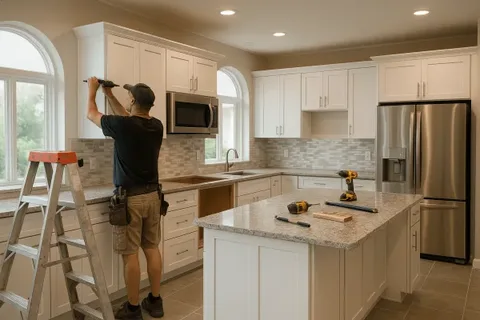
Homes change over time. Materials wear out, layouts stop working, and spaces that once felt comfortable may no longer fit your needs. While some issues can be handled with small repairs, other problems may point to the need for a larger home renovation.
Knowing the signs can help you plan improvements before minor issues become more difficult or expensive to address. Here are some common signs that your home may be ready for a renovation.
Your Home No Longer Fits Your Lifestyle
Your needs can change as your family, work situation, or daily routine changes. A home that worked well several years ago may now feel cramped or inconvenient.
You may need a larger kitchen, an additional bathroom, a home office, or a more practical living area. If you regularly find yourself working around the layout of your home instead of using it comfortably, renovation may be worth considering.
A renovation can help adapt existing spaces to how you live today without requiring you to move.
Your Layout Feels Outdated or Inefficient
Older homes can have layouts that separate rooms in ways that no longer suit modern living. Small kitchens, closed-off living areas, limited storage, and awkward hallways can make everyday activities harder.
Common layout problems include:
- Limited movement between frequently used rooms
- Small or poorly positioned kitchens
- Insufficient storage
- Rooms that are rarely used
- Lack of space for entertaining
- Poor use of available square footage
Renovation can improve how different areas connect and make better use of the space you already have.
Your Kitchen Needs More Than Minor Updates
A kitchen can show its age through worn cabinets, outdated appliances, damaged surfaces, poor lighting, or an inefficient layout. If several components need attention at the same time, replacing one item at a time may not provide the improvement you need.
A kitchen renovation can address the space as a whole. Depending on the project, this may include cabinets, countertops, flooring, lighting, storage, appliances, and layout changes.
The goal is not simply to make the kitchen look newer. It should also function better for cooking, storage, cleaning, and everyday use.
Your Bathroom Has Persistent Problems
Bathrooms experience frequent moisture and daily use, so wear can become noticeable over time. Cracked tile, damaged flooring, outdated fixtures, poor ventilation, and deteriorating surfaces may indicate that the room needs more than cosmetic repairs.
A renovation may also make sense when the bathroom lacks adequate storage or does not provide enough usable space.
Updating the bathroom gives you an opportunity to address both visible wear and functional problems at the same time.
You Keep Repairing the Same Problems
Repeated repairs can be a sign that an area of your home has reached the point where replacement or renovation makes more sense.
For example, if flooring continues to fail, cabinets keep breaking, or water-related damage repeatedly affects the same area, fixing individual problems may only provide a temporary improvement.
A larger renovation allows underlying issues to be evaluated and addressed as part of one planned project.
Your Home Has Outdated Materials and Finishes
Not every older feature requires immediate replacement. However, an entire home can eventually become dated when flooring, cabinetry, fixtures, paint, lighting, and other finishes have not been updated for many years.
Renovation can bring these elements together so the home has a more consistent appearance.
Modern materials and updated finishes can also improve durability, maintenance, and everyday comfort.
You Need More Storage
Storage problems are often overlooked when homeowners think about renovation. Clutter can build up when a home does not have enough closets, cabinets, shelving, or other practical storage areas.
If you are constantly looking for places to keep everyday items, the problem may be the design of the space rather than the amount of belongings you own.
A renovation can create better storage through built-in cabinets, improved closets, kitchen storage, bathroom vanities, shelving, and other space-saving features.
Your Home Needs Better Energy Efficiency
Older windows, doors, insulation, lighting, appliances, and mechanical systems can contribute to higher energy use. Renovation provides an opportunity to review these areas while other improvements are being completed.
Depending on the home and project, improvements may include:
- More efficient windows and doors
- Updated lighting
- Improved insulation
- Better ventilation
- Energy-efficient appliances
- Updated heating and cooling components
Energy efficiency should be considered alongside the overall condition and design of the home.
You Are Running Out of Functional Living Space
Sometimes the problem is not that your home is too small. The available space may simply not be working well.
An unfinished basement, underused room, oversized hallway, or poorly arranged living area may offer opportunities for improvement.
Renovation can help turn underused areas into functional spaces such as offices, guest rooms, entertainment areas, storage rooms, or additional living space.
Your Home Shows Signs of Water or Structural Damage
Water stains, soft materials, damaged drywall, warped flooring, or recurring moisture problems should not be treated as simple cosmetic concerns.
Before planning cosmetic improvements, the source of the problem should be identified and addressed. Renovation may then be needed to repair affected materials and restore the space.
Structural concerns should also be evaluated by qualified professionals before renovation work begins.
You Are Planning to Stay in the Home for Years
If you plan to remain in your home for a long time, renovation can be an opportunity to make the property better suited to your current and future needs.
Instead of making temporary changes, you can plan improvements around how you expect to use the home over the coming years.
This may include improving accessibility, creating flexible rooms, increasing storage, updating major living spaces, or making the layout easier to use.
You Are Considering Selling in the Future
Renovation can also improve the condition and presentation of a home before a future sale. However, not every renovation will provide the same value or appeal to every buyer.
Projects that improve function, condition, and common areas may be worth considering when preparing a property for the market.
If selling is part of your long-term plan, it can be helpful to focus on improvements that address visible problems and improve the overall usability of the home.
How to Know Which Renovation to Start With
Once you identify several areas that need attention, it can be difficult to decide where to begin.
Start with problems that affect safety, water damage, structural condition, or essential functions. After those concerns are addressed, consider improvements that have the greatest impact on how you use the home.
A renovation plan should also account for your budget, timeline, priorities, and the condition of the existing space.
Why Choose CBR Construction?
CBR Construction helps homeowners plan and complete renovation projects based on their property’s needs and their goals for the space. From updating individual areas to improving the function of larger portions of a home, a well-planned renovation can make everyday living more comfortable and practical.
The right approach starts with understanding what is not working, identifying what needs to change, and creating a renovation plan around those priorities.
Plan Your Home Renovation With Confidence
A home renovation does not always begin with one major problem. Sometimes it starts with several smaller issues that have accumulated over time. An outdated layout, limited storage, worn finishes, repeated repairs, or changing household needs can all be signs that your home is ready for an update.
If your current space no longer works the way you need it to, renovation can provide an opportunity to improve both function and comfort. Careful planning can help you address the right problems while creating a home that better supports your everyday life.